
What Is a Grilling Stone? A Complete Guide
Ever wonder how restaurants get that perfect, edge-to-edge crust on a steak while the inside stays perfectly tender? The secret isn't some complicated technique; it's often the surface they cook on. A high-quality grilling stone brings that professional power to your home barbecue. By absorbing and radiating heat with incredible consistency, it eliminates the hot spots that cause uneven cooking on standard grates. This means you get a flawless sear, deeper flavor, and juicier results every time. It’s a simple tool that offers more control and finesse, turning a standard grill into a gourmet cooking station. This article will show you how to choose and use a grilling stone to completely change your results.
Key Takeaways
- Distinguish Between Cooking and Cleaning Stones
: The term "grilling stone" can refer to a cooking surface for searing food or a cleaning brick for scrubbing grates. Knowing which job you need to do is the first step to finding the right tool.
- Prioritize Soapstone for the Best Results
: For cooking, soapstone is a top performer because its non-porous surface provides even heat for a perfect sear and won't absorb old flavors, so every meal tastes exactly as it should.
- Follow Proper Care for a Lifetime of Use
: Protect your cooking stone by heating it slowly with the grill, letting it cool completely before washing, and never using soap. Remember that a cleaning brick is for deep cleans and requires you to re-season your grates afterward.
Grilling Stone: For Cooking or Cleaning?
If you've heard the term "grilling stone," you might be a little confused, and for good reason. The name is used for two completely different tools: one for cooking your food and one for cleaning your grill. It’s easy to mix them up, but knowing the difference is key to getting the results you want for your backyard barbecue. One is a premium cooking surface designed to give you a perfect sear, while the other is a powerful cleaning block that scrubs your grates back to new. Getting this right is important, because you wouldn't want to try searing a steak on a cleaning brick.
Think of it like this: a cooking stone is part of your culinary toolkit, working with heat to cook food beautifully. It’s a slab of natural stone that you place on your grill to create an incredibly even and hot surface. A cleaning stone, often called a grill brick, is part of your maintenance kit. You use it after the cooking is done to tackle tough, baked-on grease and grime without harsh chemicals. Both are fantastic additions to any grill master's collection, but they serve opposite purposes. Let's break down what each one does, so you can choose the right stone for the job. Whether you're aiming for restaurant-quality steak or just a sparkling clean grill, understanding these tools is the first step to mastering your outdoor kitchen.
The Secret to Perfect Searing: The Cooking Stone
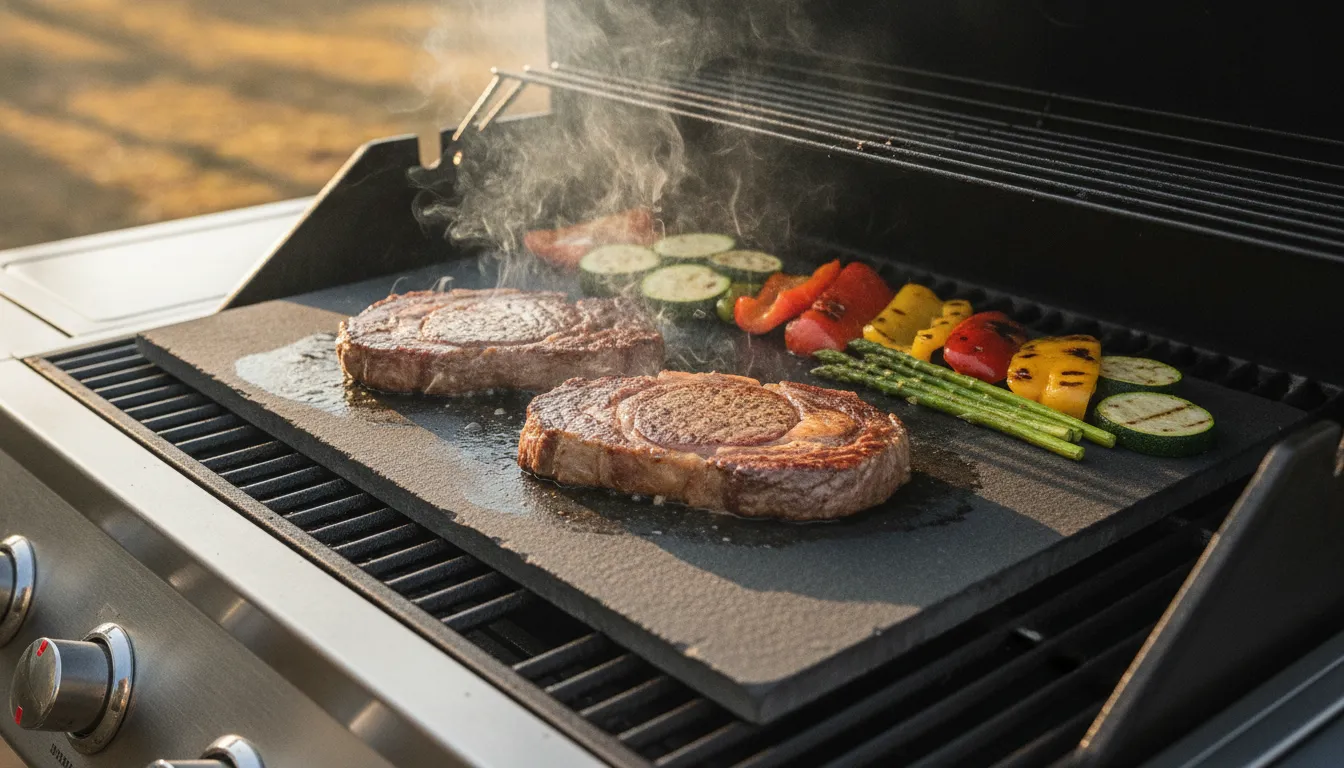
A cooking stone is your secret weapon for achieving that flawless, edge-to-edge sear. It’s a solid, flat piece of natural stone, like soapstone or granite, that you heat up on your grill or in your oven. Because these stones are so dense, they absorb and distribute heat incredibly evenly, eliminating the hot spots you often get with regular grill grates. This consistent temperature across the entire surface means your food cooks uniformly, whether you’re grilling delicate fish, searing thick-cut steaks, or even baking a pizza. Our Greystone is crafted from soapstone for exactly this reason, turning your grill into a high-performance cooking station.
The Safer Way to a Spotless Grill: The Cleaning Brick
On the other side of the grilling world is the cleaning stone, or grill brick. This tool is a porous, pumice-like block designed to scour your grill grates clean. It powers through stubborn, burnt-on food and grease without relying on harsh chemical sprays. One of its biggest advantages is safety. Unlike wire brushes that can shed dangerous metal bristles into your food, a grill brick provides a worry-free clean. Just be aware that using a grill brick is an aggressive cleaning method that will likely remove your grill’s seasoning, so you’ll need to re-season the grates after you’re done to protect them from rust.
A Guide to Grilling Stone Materials
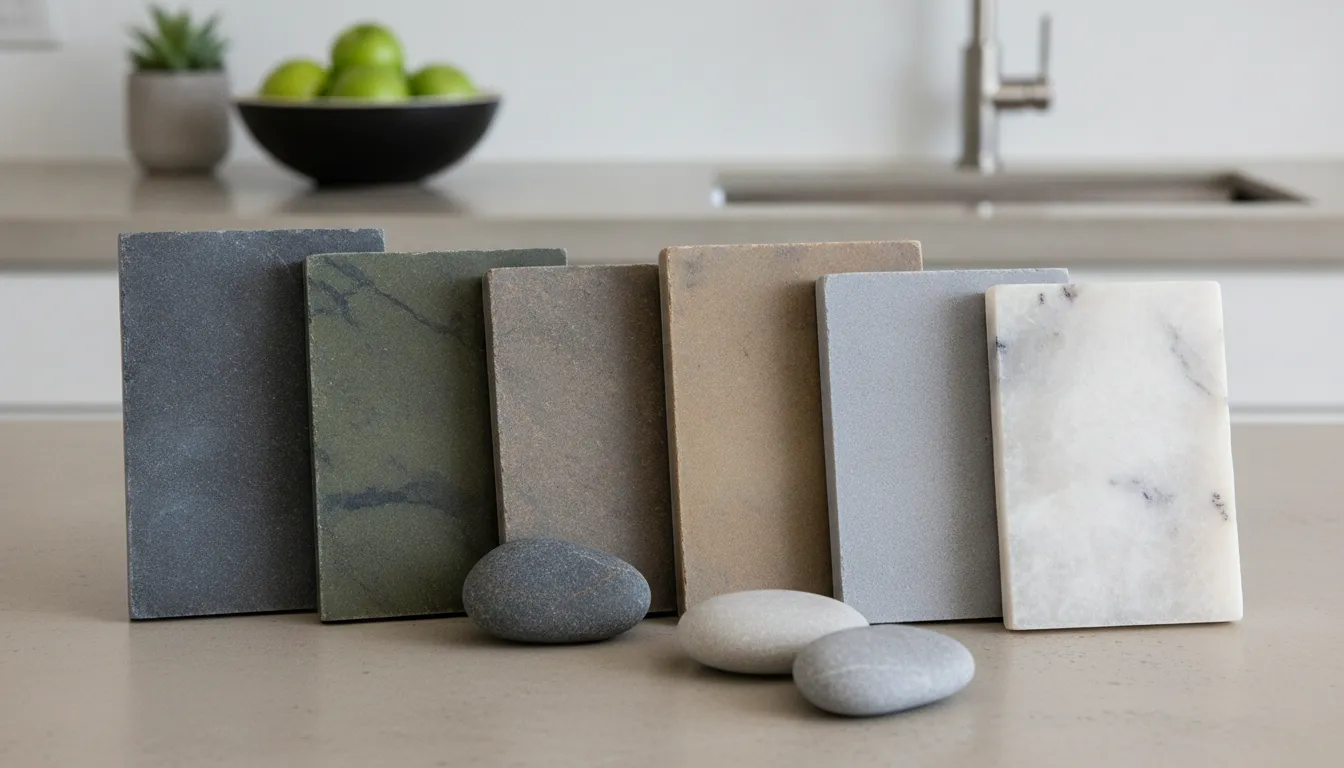
When you start looking for a grilling stone, you’ll quickly realize they aren’t all made from the same material. The substance a stone is made from is its most important quality, dictating everything from how evenly it cooks your food to how it affects the flavour and how easy it is to clean. Understanding the unique properties of each material will help you find the perfect stone for your needs. Some stones, like soapstone, are prized for their incredible heat retention and non-porous surface, which means they won't hang onto old flavours. Others, like cordierite, are engineered to withstand extreme temperature changes, making them ideal for baking pizza.
Then there are heavy-duty options like granite that bring intense searing power, and even stones made from pumice that aren’t for cooking at all, but for cleaning your grill grates safely and effectively. Each material has a specific job it excels at. Choosing the right one comes down to what you plan to cook and what qualities matter most to you, whether that’s achieving the perfect sear, baking a crispy crust, or simply keeping your grill in top shape. Let’s walk through the most common options you’ll find so you can make a confident choice for your indoor or outdoor kitchen.
Soapstone: The Natural Choice for Flavour
If you want the true taste of your food to be the star of the show, soapstone is your best friend. This beautiful, natural stone is a master of heat, known for its incredible ability to retain and distribute it evenly across the entire surface. This means no more hot spots or unevenly cooked meals. Because soapstone is non-porous, it won’t absorb oils, juices, or flavours from past meals, so your grilled salmon won’t taste like last night’s steak. Instead, our Greystone grilling stone lets the authentic flavour of your food shine through every time, offering a pure and delicious cooking experience that other materials just can't match.
Cordierite and Ceramic: The Pizza Stone Staples
You’ve probably heard of cordierite and ceramic stones, especially if you’ve ever tried to make pizzeria-quality pizza at home. These materials are popular for a reason. Cordierite is a mineral known for its durability and resistance to thermal shock, meaning it can handle extreme temperature changes without cracking. Ceramic stones are also excellent for baking, as they draw moisture out of the dough to create that perfectly crispy crust we all crave. While they are fantastic for pizzas and bread, they are more porous than soapstone, so they can absorb oils and require a bit more care when cleaning to prevent old flavours from lingering.
Granite and Volcanic Stone: Heavy-Duty Options
For those who love cooking with intense, high heat, granite and volcanic stones are heavy-duty contenders. Granite is incredibly durable and retains heat for a very long time, making it a solid choice for searing steaks or other meats that benefit from a powerful, hot surface. Similarly, volcanic stones are prized for their heat retention and are often used in traditional lava rock grilling methods around the world. While effective, both materials can be quite heavy and may require more careful handling. They get the job done for high-heat cooking, but they lack the non-porous quality of soapstone that keeps flavours from mingling between meals.
Pumice and Cellular Glass: The Power Behind Grill Bricks
Shifting gears from cooking to cleaning, let’s talk about grill bricks. These are not for cooking on. Instead, they are made from materials like pumice or cellular glass to help you safely clean your grill. Pumice is a lightweight volcanic rock that works as a gentle abrasive to scrape away baked-on food and grease. A cellular glass grill cleaning block is also fantastic for scouring your grates clean without leaving behind the dangerous metal bristles that can come off wire brushes. Using one is a simple, chemical-free way to get your grill looking pristine and ready for your next cookout.
Why Soapstone Is the Ultimate Cooking Surface
When you think about what makes a meal truly memorable, you probably think about fresh ingredients or a special recipe. But the surface you cook on plays a starring role that’s often overlooked. While many materials can get the job done, soapstone is in a league of its own. This beautiful, natural stone isn’t just for stunning countertops; it’s a secret weapon for anyone serious about cooking. Engineered by nature, soapstone has a unique set of properties that make it an incredible surface for grilling, searing, and baking.
What makes it so special? It comes down to a perfect combination of density, heat retention, and a non-porous finish. Unlike many other materials, soapstone distributes heat with incredible consistency, holds that heat for a long time, and won’t absorb flavors or odors from your food. This means you get a perfect sear every time, and your meals taste exactly as they should. It’s a durable, versatile material that feels just as at home on a high-end grill as it does in a rustic kitchen. The timeless appeal of soapstone makes it a centerpiece for all kinds of custom home projects, but its performance as a cooking surface is where it truly shines.
Unbeatable Heat Retention for a Perfect Sear
The key to a deep, flavorful crust on a steak or a perfect char on vegetables is powerful, even heat. Soapstone is a thermal mass, which means it excels at absorbing, holding, and radiating heat. When you preheat a soapstone grilling stone, it stores that energy, providing a consistently hot surface that doesn't suffer from temperature drops when you place your food on it. This prevents steaming and ensures a perfect sear.
Because it holds temperature so beautifully without cracking or scorching, you can achieve restaurant-quality results right in your backyard. The stone’s ability to maintain a steady temperature eliminates hot spots, so your food cooks evenly from edge to edge. Our rectangular Greystone is crafted to harness this natural property, giving you a reliable and superior cooking experience every time you fire up the grill.
A Non-Porous Surface That Locks in Flavour
Have you ever cooked fish on a grill and then had the lingering taste show up in the burgers you made the next day? With soapstone, that’s a problem of the past. Soapstone is naturally non-porous, meaning it won’t absorb oils, marinades, or flavors from previous meals. This ensures that every dish you prepare tastes pure and untainted.
Furthermore, soapstone is chemically inert. This means it won’t react with acidic ingredients like lemon juice, wine, or tomatoes, which can sometimes take on a metallic taste when cooked on other surfaces. Instead of absorbing or altering the taste of your food, soapstone locks in the natural flavors of your ingredients, allowing them to shine. This also makes cleanup remarkably simple, as nothing seeps into the stone itself.
How Soapstone Compares to Other Materials
When you place soapstone next to other cooking materials, its advantages become clear. Many traditional non-stick pans can contain chemicals that may break down at high heat, but soapstone is a completely natural and safe alternative. It’s incredibly durable and resistant to warping, chipping, or corroding, making it a true long-term investment for your kitchen. With the right care, a soapstone cooking surface can easily last a lifetime.
Compared to cast iron, which also offers great heat retention, soapstone has the upper hand with its non-porous surface that prevents flavor transfer and rust. Unlike ceramic pizza stones, which can be prone to cracking with sudden temperature changes, soapstone is much more resilient. It’s a heavy-duty performer that combines the best of all worlds: exceptional heat management, flavor purity, and lasting durability.
The Benefits of Cooking on a Grilling Stone
If you've ever wondered how restaurants get that perfect, edge-to-edge sear on a steak or a beautiful char on vegetables, a grilling stone is often the secret. Bringing one into your home cooking routine can completely change your results, turning a standard barbecue into a gourmet experience. The magic lies in the material. A dense, high-quality stone absorbs and radiates heat incredibly evenly, eliminating the hot spots on your grill that can lead to unevenly cooked or burnt food. This consistent temperature is what allows you to achieve a deep, flavorful crust on the outside of your food while keeping the inside tender and juicy.
It’s a simple tool that offers more control and finesse, whether you're a seasoned grill master or just starting. By creating a solid, flat cooking surface, it also prevents delicate foods like fish or small vegetables from falling through the grates, opening up a whole new world of grilling possibilities. Suddenly, you're not just grilling burgers and hot dogs; you're searing scallops, roasting asparagus, and even making pizza with a perfectly crisp crust. It’s about adding a layer of precision to the rustic art of grilling, giving you the confidence to try new recipes and techniques.
Achieve Restaurant-Quality Flavour at Home
The key to incredible flavor is a perfect sear, and that’s where a grilling stone truly shines. Because stone is so dense, it excels at retaining and distributing heat. This means the entire surface maintains a consistent temperature, cooking your food evenly every time. This process creates a delicious, crispy exterior while locking in moisture, so your steak is perfectly crusted and your chicken stays wonderfully tender. Our rectangular grilling stones are specifically crafted to deliver this consistent heat, giving you professional-grade results right in your own backyard. You get all the smoky flavor of the grill without the risk of flare-ups charring your meal.
What Foods Cook Best on a Grilling Stone?
A grilling stone is incredibly versatile and invites you to get creative with your menu. It’s fantastic for cooking foods that are too delicate or small for standard grill grates. Think flaky fish fillets, shrimp, and chopped vegetables, all of which cook beautifully without falling into the fire. It’s also the perfect surface for searing steaks, pork chops, and kebabs. Beyond that, you can use it to make amazing flatbreads and pizzas with a crispy, golden-brown crust. Even breakfast gets an upgrade, as you can cook bacon and eggs on the stone for a delicious outdoor brunch.
Versatility for Indoor and Outdoor Kitchens
One of the best things about a high-quality grilling stone is that its use isn't limited to your outdoor grill. While it performs beautifully on gas, charcoal, and pellet grills, many stones are also designed for indoor use. You can place them in your oven to bake bread or pizza, or even use them on the stovetop for a unique cooking experience. This year-round versatility makes it a valuable tool for any home cook. For those planning a kitchen renovation, incorporating soapstone into your design for both countertops and cooking surfaces can create a seamless, functional, and beautiful space. You can explore our custom projects to see how this timeless material can be integrated into your home.
How to Use a Grilling Stone for Cooking
Using a grilling stone is one of the easiest ways to get five-star flavour from your home grill or oven. While a slab of stone might seem a bit intimidating at first, the process is surprisingly simple. Following a few key steps for heating, seasoning, and cleaning will ensure your stone lasts for years and delivers perfectly cooked food every time. These tips are designed to help you get the most out of your soapstone, turning it into a trusted tool for everything from weeknight dinners to weekend cookouts.
Whether you're working with a dedicated grilling stone or a custom soapstone feature in your kitchen, the principles are the same. It’s all about working with the stone’s natural properties to achieve incredible results. Let’s walk through exactly how to do it.
How to Properly Preheat Your Stone
Patience is key when it comes to preheating your grilling stone. You can’t rush this step. Placing a cold stone on a hot surface can cause it to crack from thermal shock. To prevent this, you should always heat the stone slowly for at least 20 minutes before you put any food on it. The best way to do this is to place the cold stone on your grill or in your oven before you turn on the heat. Let them come up to temperature together. This gradual process allows the stone to absorb heat evenly, creating a uniformly hot surface that’s ready for a perfect sear.
Seasoning Your Stone for a Non-Stick Finish
Just like a cast-iron skillet, your grilling stone needs to be seasoned to create a natural, non-stick surface. Before you use it for the first time, simply put a light coat of cooking oil on it. A neutral oil with a high smoke point, like grapeseed or canola oil, works best. Wipe a thin layer over the entire cooking surface. This initial seasoning will help prevent your food from sticking and is the first step in building up a beautiful patina. Over time and with more use, your soapstone will naturally darken, and its non-stick properties will only get better. This is a sign of a well-loved and well-used stone.
Simple Steps for Cooling and Cleaning
After you’ve finished cooking, the most important rule is to always let the stone cool down completely before you wash it. A sudden temperature change from a splash of cold water can cause a hot stone to crack. Once it’s cool to the touch, cleaning is simple. Use warm water and a grill scraper or a gentle scouring pad to remove any stuck-on food. Avoid using soap, as it can strip away the non-stick seasoning you’ve worked to build. The incredible durability that makes soapstone perfect for custom projects also makes it easy to care for, ensuring it remains a staple in your kitchen for years to come.
Why Grill Bricks Beat Traditional Cleaning Methods
Let’s be honest, while grilling is one of life’s great pleasures, cleaning up afterward is not. For years, the go-to tools have been aggressive wire brushes and potent chemical sprays. We accepted them as a necessary evil to tackle baked-on grease and char. But what if there was a better, safer, and more effective way to get your grill grates sparkling clean? Enter the grill brick. This simple block, often made of pumice or a similar cellular glass material, is a total game-changer for grill maintenance.
A grill brick works by using gentle abrasion to scour away grease, rust, and stubborn, burnt-on food. Unlike wire brushes, it doesn’t shed dangerous metal bristles, and unlike chemical cleaners, it doesn’t rely on harsh fumes to dissolve grime. It’s a purely physical cleaning method that provides a deep clean without the risks. Think of it as an industrial-strength eraser for your grill. Using a grill brick not only makes the cleaning process faster but also gives you peace of mind, knowing your cooking surface is truly clean and safe for your next meal. It’s a straightforward solution that addresses the biggest drawbacks of traditional cleaning methods head-on.
Say Goodbye to Dangerous Metal Bristles
The biggest problem with traditional wire brushes is the risk of shedding. Over time, the metal bristles can weaken, break off, and stick to the grill grates. These tiny, sharp wires can then transfer to your food and, if ingested, cause serious internal injury. It’s a frightening and surprisingly common hazard that has led many grilling enthusiasts to seek out safer alternatives. A grill brick is the perfect solution. As you use it, the pumice-like material wears down into a harmless dust that can be easily wiped away. There are no bristles to break off and no hidden dangers left lurking on your cooking surface. This makes it an undeniably safer choice for cleaning your grill.
A Natural, Chemical-Free Clean
If the thought of spraying your cooking surface with harsh chemicals makes you uneasy, you’re not alone. Many grill cleaners rely on powerful solvents that release strong fumes and can leave behind a chemical residue if not rinsed off completely. A grill brick offers a completely non-toxic and chemical-free way to get the same, if not better, results. It cleans effectively using just friction and a bit of elbow grease. This means you can scrub away the toughest, baked-on messes without worrying about what you’re breathing in or what might be lingering on the grates. It’s a natural cleaning method that ensures the only thing you taste in your next meal is the food itself.
Safe for All Grill Types
You invest a lot in your grill, so the last thing you want is a cleaning tool that scratches or damages the grates. While wire brushes can be too abrasive for delicate surfaces like porcelain enamel, a grill brick is designed to be tough on grime but gentle on your grill. The pumice-like material conforms to the shape of your grates as you clean, getting into the grooves to remove buildup without gouging the metal. It’s safe to use on cast iron, stainless steel, and porcelain-coated grates. Ensuring your grates are perfectly clean is the first step to a great meal, whether you're cooking directly on them or using a specialty surface like a soapstone grilling stone for that perfect sear.
How to Use a Grill Brick for Cleaning
A grill brick is your go-to tool for a major grill restoration, not your everyday scrub brush. Think of it as a powerful reset button for when your grill grates are in really rough shape, with caked-on grime, rust, or flaking seasoning that a simple brush can't handle. Because a grill brick is abrasive enough to strip the surface down to the bare metal, it also removes all the seasoning you’ve worked so hard to build up. It’s a deep clean that prepares your grill for a fresh start.
Before you begin, just know that this process is a commitment. You should only use a grill brick when you’re ready to completely re-season your grates afterward. It’s a fantastic method for bringing a neglected grill back to life, but it’s not meant for routine maintenance. With the right steps, you can restore your cooking surface to a like-new condition, creating the perfect canvas for your next grilling masterpiece.
Your Step-by-Step Guide to a Pristine Grill
Ready to give your grill a serious deep clean? First, gently warm the grill. It should be warm to the touch but not hot enough to burn you. This warmth helps loosen the baked-on residue. Next, take your grill brick and apply light, even pressure, scrubbing back and forth along the grates. You’ll see the brick start to wear down and form grooves that fit your grates perfectly. For an even smoother process, you can pour a small amount of cooking oil on the grates to reduce dust and help lift the grime. Once you’ve scrubbed away all the rust and gunk, wipe the surface clean with a damp cloth to remove any remaining dust and debris.
How to Re-Season Your Grates Post-Clean
After stripping your grates with a grill brick, re-seasoning isn't just a good idea; it's essential for protecting the metal and creating a non-stick surface. With your grates clean and completely dry, it’s time to rebuild that protective layer. Apply a very thin coat of a high-smoke-point oil, like canola or grapeseed oil, over the entire surface. Use a paper towel to wipe away any excess until the grates look almost dry. Heat your grill until the oil starts to smoke, then let it continue heating until the smoke stops. This indicates the oil has polymerized and bonded to the metal. Let the grates cool slightly and repeat this process four to six times to build a durable, slick seasoning layer.
Making Your Grill Brick Last
A grill brick is designed to wear away with use, but you can still get the most out of every block. The key is to use light pressure and let the brick do the work. Pressing too hard won’t clean your grill any faster; it will just cause the brick to disintegrate more quickly. A single brick can typically handle about two heavy-duty restoration cleanings or up to eight lighter maintenance scrubs. After each use, you can rinse the brick with water to clear away any grease and debris, then let it air dry completely before storing it. This simple step keeps it fresh and ready for the next time your grill needs a serious refresh.
Choosing the Right Grilling Stone for You
Picking the perfect grilling stone comes down to how you plan to use it. With a little thought about your cooking style and equipment, you can find a stone that will serve you well for years. Think about what you love to cook, where you plan to cook it, and what kind of grill you have. Are you searing steaks for a crowd on a large gas grill, or are you looking for a versatile piece that can move from your outdoor kitchen to your indoor oven?
The best grilling stone is one that fits your life. To find it, focus on three key areas: the material it’s made from, its size and thickness, and whether it works for both indoor and outdoor cooking. Getting clear on these points will help you sort through the options and select a stone that not only performs beautifully but also matches your specific needs. If you have a unique outdoor kitchen setup or a specific vision in mind, you can even explore custom projects to get a stone crafted just for you.
Prioritize Material and Durability
The material of your grilling stone is its most important feature. It determines how well the stone holds heat, how it interacts with your food, and how long it will last. While you might see options like granite or volcanic rock, your main goal is to find a durable stone that can handle extremely high temperatures without cracking. A material that can withstand thermal shock is essential for longevity and safe cooking. Soapstone, for example, is naturally dense and non-porous, making it incredibly resilient and a fantastic surface for cooking. Before you buy, it's always a good idea to understand the general use instructions for cooking stones to ensure you care for them properly from day one.
Consider the Right Size and Thickness
Next, think about size. You need a stone that fits securely on your grill grates, whether you have a pellet, gas, or charcoal model. It should be fully supported to prevent it from tipping or sliding during use. The surface area also matters. Do you need enough space for a few steaks and some vegetables, or are you cooking for a smaller household? Thickness plays a role, too. A thicker stone generally retains heat longer and distributes it more evenly, giving you a consistent cooking surface without hot spots. Our Greystone is designed to offer a generous cooking area while maintaining the ideal thickness for superior heat retention.
Check for Indoor and Outdoor Compatibility
A truly great grilling stone doesn’t have to be limited to the barbecue. Look for one that offers the flexibility to work in your indoor kitchen as well. Some high-quality stones are designed to handle a massive temperature range, making them safe for your oven or stovetop. This versatility means you can get that perfect sear on a steak or roast vegetables year-round, no matter the weather. A stone that transitions seamlessly from your grill to your oven is a smart investment that gives you more opportunities to create delicious meals. This is another area where soapstone shines, as its durability makes it perfectly suited for both indoor and outdoor cooking environments.
How to Care for Your Grilling Stone
Your grilling stone is an investment in incredible flavour, and with a little care, it will be your go-to cooking companion for years. Unlike some other types of cookware, soapstone gets better with age, developing a natural, non-stick patina that makes every meal better than the last. Following a few simple rules will protect its integrity and ensure you get that perfect sear every time you fire up the grill. Here’s everything you need to know to keep your stone in top condition for countless cookouts to come.
The "Don'ts": Soap, Soaking, and Sudden Temperature Changes
When it comes to cleaning your grilling stone, less is definitely more. The most important rule is to never use soap or detergent. These can strip away the beautiful seasoning you’ve worked to build, ruining the non-stick surface and affecting the flavour of your food. You should also avoid soaking the stone in water. While soapstone is dense, prolonged submersion can create stress and lead to cracks. A simple scrape and wipe-down with a damp cloth is all you need. Think of it like caring for cast iron; you want to protect that seasoned layer. By avoiding these common mistakes, you’ll preserve the natural quality of your Greystone.
A Simple Guide to Re-Seasoning
Over time, you may want to re-season your stone to maintain its slick, non-stick surface. It’s a straightforward process that makes a world of difference in performance. After scraping your stone clean and wiping it down, let it dry completely. Then, apply a very thin layer of a neutral, high-smoke-point oil, like grapeseed or canola oil. Heat the stone until the oil just starts to smoke, then let it cool. Repeat this process four to six times to build up a durable, polymerized layer. This simple seasoning method not only makes cooking and cleanup easier but also protects the stone for a longer lifespan.
Temperature Tips for a Lifetime of Use
Patience is key to a long and happy life with your grilling stone. The biggest threat to any stone cookware is thermal shock, which is a fancy way of saying it can crack if its temperature changes too quickly. To prevent this, always preheat your stone gradually. Place it on the grill or in the oven while it’s still cold, and let them heat up together for at least 20 minutes. This slow warm-up ensures the heat distributes evenly. The same rule applies to cooling; let it cool down naturally before cleaning. This simple habit is the secret to making your grilling stone last a lifetime, whether you're using it on the grill, in the oven, or for other custom projects.
Ready to Find Your Perfect Grilling Stone?
With so many options out there, choosing the right grilling stone can feel like a big decision. The first step is to ask yourself a simple question: are you looking for a tool to cook on, or a tool to clean with? Your answer will point you in the right direction. If you want a spotless grill, a cleaning brick made from pumice is what you need. These are designed to scour away tough, caked-on grime and can restore a griddle surface, but they’re best saved for deep cleans rather than daily upkeep.
If your goal is to cook incredible food, you’re looking for a cooking stone. This is where your personal cooking style comes into play. If you’re a pizza aficionado, a ceramic stone might be your perfect match, as it’s designed to create a crispy crust. However, if you want a versatile surface that provides an unbeatable sear for steaks, seafood, and vegetables, a soapstone grilling stone is an amazing choice. Different cooking stones have unique properties, but soapstone’s natural density and heat retention are hard to beat.
Ultimately, the best grilling stone is the one that fits how you cook. Think about the foods you love to grill and the results you want to achieve. Are you aiming for restaurant-quality sear marks or the perfect pizza? Do you need something for your indoor oven and your outdoor BBQ? Our rectangular Greystone is designed for that exact versatility. By focusing on your needs, you can easily find the perfect stone to complete your grilling setup.
Related Articles
Can I use my soapstone grilling stone in my oven as well as on my grill? Yes, absolutely. One of the best features of a high-quality soapstone grilling stone is its versatility. It performs beautifully on gas, charcoal, and pellet grills, but it’s also completely safe to use in your indoor oven. This makes it a fantastic tool for year-round cooking, allowing you to bake pizzas, roast vegetables, or sear meats no matter the weather. Just remember to always preheat it slowly with the oven to prevent cracking.
What makes soapstone different from a typical ceramic pizza stone? While both are great for cooking, they have a few key differences. Ceramic pizza stones are porous, which helps them draw moisture out of dough to create a crispy crust. However, this also means they can absorb oils and flavors, which can be hard to clean. Soapstone is naturally non-porous, so it won’t hold onto flavors from past meals. This makes it a more versatile surface for cooking everything from fish to steak without any taste transfer.
Do I really have to season my soapstone grilling stone? Seasoning your stone is a simple step that makes a huge difference. While not strictly mandatory, applying a thin layer of oil before your first use and periodically after helps build a natural, non-stick surface. This process, much like seasoning a cast-iron pan, makes cooking and cleanup much easier. Over time, your stone will develop a beautiful, dark patina that is a sign of a well-cared-for and high-performing cooking tool.
How do I clean my soapstone without using soap? Cleaning is surprisingly simple. The most important rule is to let the stone cool down completely first. Once it’s cool, use a scraper to gently remove any stuck-on food bits. Then, just wipe the surface with a cloth and warm water. You should never use soap, as it will strip away the non-stick seasoning you’ve worked to build. The stone’s non-porous nature means a simple wipe-down is all you need.
You mentioned grill bricks for cleaning. Should I use one on my soapstone? No, you should never use a grill brick on your soapstone cooking surface. Grill bricks are abrasive tools designed to scour tough, baked-on grime from metal grill grates. Using one on your soapstone would scratch and damage its smooth surface, ruining its cooking performance. Reserve grill bricks for deep-cleaning your grill’s original grates, and stick to a simple scraper and water for your soapstone.


Comments