
Buy Soapstone Wax: A Complete Buyer's Guide
The allure of soapstone lies in its living finish. Over time, it develops a unique patina, a deep, dark coloration that tells the story of your home. This aged look is what gives the stone its timeless character. But you don’t have to wait years to enjoy it. Applying a quality wax is like hitting the fast-forward button on the aging process, instantly transforming your light gray stone into a surface with rich depth and dimension. If you’re ready to bring out that coveted look in your kitchen or on your Greystone grilling stone, the first step is to buy soapstone wax. This guide will show you exactly what to look for and how to apply it for a flawless, lasting finish.
- Wax is a cosmetic choice, not a requirement
: Since soapstone is naturally non-porous, it doesn't need sealing. Wax is used to speed up the natural darkening process (the patina), giving you that rich, uniform color and enhanced veining right away.
- Choose food-safe waxes for better durability
: Look for products with natural ingredients like carnauba wax and plant-based oils. These are completely safe for kitchen use and create a harder, longer-lasting finish than mineral oil, meaning less frequent application.
- Application is a simple, low-stress process
: Caring for your soapstone is easy. Just apply a thin layer of wax to a clean surface, let it sit, and buff it to a soft sheen. Reapply only when the stone starts to look dry or lightens, making upkeep flexible and straightforward.
What Is Soapstone Wax?
If you’ve fallen in love with the deep, moody look of aged soapstone, soapstone wax is your best friend. Think of it as a conditioning treatment for your countertops. It’s a natural, food-safe wax, often made from a blend of ingredients like beeswax and carnauba wax, designed specifically for soapstone surfaces. Its main job is to enhance the stone's appearance, deepening its natural color from a light gray to a rich, dark black and making the beautiful veining pop.
While soapstone is naturally non-porous and stain-resistant, applying wax helps accelerate the development of its patina, the dark finish that soapstone develops over time. It gives you that aged, elegant look right away. Beyond aesthetics, the wax provides a smooth, low-lustre finish that feels wonderful to the touch and adds a protective layer to the surface. This is why it’s a go-to for anyone with custom soapstone projects in their home, from kitchen counters to vanities. It’s all about bringing out the stone’s inherent character while keeping it looking its best.
How Does It Work?
So, how does a simple wax create such a dramatic transformation? It’s less about sealing and more about conditioning. Because soapstone is naturally dense and non-porous, the wax doesn’t need to plug up pores to protect it. Instead, it creates a very thin, protective layer right on the surface. This layer is what darkens the stone, giving it that deep, uniform color you’re looking for.
When you apply the wax, it fills in the microscopic texture of the stone, creating a smooth, non-greasy finish that helps repel water and makes cleanup easier. This is especially useful for surfaces that see a lot of action, like a kitchen island or even a soapstone grilling stone. The wax essentially fast-forwards the natural aging process, giving you a mature patina without the wait.
Soapstone Wax vs. Mineral Oil: Which Should You Choose?
The great debate in soapstone care often comes down to wax versus mineral oil. Both will darken your stone and enhance its beauty, but they work a bit differently. Mineral oil is a classic choice that simply darkens the stone. It’s easy to apply but tends to fade more quickly, meaning you’ll likely be reapplying it every few weeks to maintain that dark look.
Soapstone wax, on the other hand, offers more durability. Because it often contains beeswax, it creates a more substantial protective layer that lasts longer than oil alone. This means fewer applications, maybe just a few times a year. The finish is also slightly different; while oil can sometimes feel a bit greasy, wax buffs to a soft, satin sheen. Ultimately, there’s no wrong answer. Your choice depends on your preference for maintenance and the final look you want to achieve for your countertops.
Why Wax Your Soapstone?
One of the questions I hear most often is whether you really need to wax soapstone. The short answer is no, you don’t have to. Soapstone is a dense, non-porous stone that doesn’t require a sealant to protect it from stains or bacteria. So, why do so many of us choose to wax our soapstone surfaces? It all comes down to aesthetics and simple maintenance. Waxing is the best way to speed up the natural darkening process, called patina, that soapstone undergoes over time. It deepens the stone’s color from a light gray to a rich, dark charcoal or black, making the beautiful veining pop.
This process gives your countertops a uniform, elegant finish right from the start. Beyond the visual appeal, applying a layer of wax also adds a bit of protection that makes daily cleanup easier. It helps repel water and makes the surface feel silky smooth to the touch. Whether you have sprawling custom soapstone countertops in your kitchen or a versatile grilling stone, a simple coat of wax can make a world of difference in its appearance and feel. It’s a straightforward step that helps you get that classic, timeless soapstone look you love, faster.
Achieve a Deeper, Richer Patina
If you love the deep, dark look of aged soapstone, waxing is your best friend. Untreated soapstone is typically a soft, light gray. While it will naturally darken with use, especially from contact with oils in your hands or from cooking, this process can be slow and uneven. Applying a coat of wax accelerates this transformation, instantly deepening the color to a dramatic, uniform black or dark gray. This is what we call enhancing the patina.
Regular waxing enhances the stone's color, bringing out the subtle, unique veining that makes each slab one-of-a-kind. Instead of waiting months or even years for that rich character to develop, you can enjoy it immediately. The wax saturates the stone's surface, giving it a beautiful, low-luster sheen that looks and feels incredibly luxurious.
Get Long-Lasting Protection
While soapstone is naturally tough, a good wax provides an extra layer of defense for your hardworking surfaces. Think of it as a protective coat for your stone. The wax creates a smooth, non-greasy barrier that helps repel liquids, making spills from water, wine, or juice bead up on the surface for an easy wipe-down. This doesn't seal the stone, but it does make daily maintenance much simpler.
This protective layer is especially helpful in a busy kitchen where splashes and spills are a part of life. It helps keep your countertops looking consistently clean and beautiful without a lot of effort. A quality wax offers long-lasting protection that keeps your soapstone looking its best while simplifying your cleaning routine.
Enjoy a Natural, Food-Safe Finish
When it comes to surfaces where you prepare meals, safety is everything. The great news is that most soapstone waxes are specifically formulated to be completely food-safe. These products are typically made from a blend of 100% natural ingredients like coconut oil, beeswax, and carnauba wax, so you don't have to worry about harsh chemicals coming into contact with your food. You can knead dough, chop vegetables, and rest ingredients directly on your waxed soapstone countertops with total peace of mind.
This natural formulation is also why wax is a perfect treatment for our Greystone grilling stones. Using a food-safe natural wax ensures that nothing interferes with the flavor of your food. It’s a simple, organic way to care for your stone while keeping your kitchen a healthy, safe environment for you and your family.
Improve Stain Resistance
Soapstone is technically stain-proof because it's non-porous, meaning liquids can't penetrate its surface. However, oils can sit on the surface and create dark spots that look like stains, leading to an uneven appearance. This is where waxing really shines. By darkening the entire countertop to a uniform shade, wax essentially makes those oil spots invisible. It blends them into the stone's rich, dark patina.
Furthermore, the protective barrier created by the wax makes it harder for oils and other substances to cling to the surface in the first place. Regular waxing enhances the stone's natural ability to resist looking splotchy, ensuring your countertops maintain their elegant and consistent appearance. It’s less about preventing stains and more about maintaining a flawless, even finish across the entire surface.
Don't Believe These Soapstone Wax Myths
When it comes to caring for your beautiful soapstone, there's a lot of chatter out there, and not all of it is accurate. It can be tough to figure out what’s true and what’s just a myth, especially when it comes to using soapstone wax. Let's clear up some of the most common misconceptions so you can feel confident about keeping your soapstone looking its absolute best. We'll walk through the facts and fiction surrounding soapstone wax, from what it actually does to how long it really lasts.
Myth: Wax Is a Sealant
One of the biggest misunderstandings is that soapstone wax acts as a sealant. In reality, it doesn't. Unlike porous stones like marble or granite that require a chemical sealant to block liquids, soapstone is naturally dense and non-porous. This means it’s already resistant to stains and bacteria without any sealant at all.
So, what does the wax do? Think of it as a cosmetic enhancer. The wax simply accelerates the natural darkening process, known as oxidation, that happens over time when the stone is exposed to air and oils. It enriches the color, bringing out the deep, rich tones and unique veining of your stone. It’s all about achieving that beautiful, aged patina faster, not about creating a protective barrier. The stone’s inherent non-porous quality is one of its biggest advantages for custom home projects.
Myth: Wax and Oil Are the Same
You might hear people use "wax" and "mineral oil" interchangeably, but they are quite different treatments. While both will darken your soapstone and enhance its appearance, they differ in their application and durability. Mineral oil is a simple, thin liquid that gives the stone a wet look and requires frequent reapplication to maintain an even finish.
Soapstone wax, on the other hand, is typically a blend of natural waxes (like beeswax or carnauba wax) and oils. This thicker consistency provides a more substantial and longer-lasting finish. It creates a subtle, satin-like sheen rather than a high gloss, and you won't have to reapply it nearly as often as you would with mineral oil. The choice between them comes down to the look you prefer and how much maintenance you’re willing to do.
Myth: One Application Lasts Forever
Wouldn't it be nice if one coat of wax was all you ever needed? Unfortunately, that’s not the case. While soapstone wax is more durable than mineral oil, it is not a permanent solution. Over time, daily use, cleaning, and friction will cause the wax finish to wear away, and your soapstone may start to look a little dry or uneven in color, especially in high-traffic areas like around the sink.
The good news is that reapplication is incredibly simple. There’s no need to strip the old wax; you just apply a new thin coat. A good rule of thumb is to re-wax whenever the surface starts to lighten or look thirsty. Whether it's your kitchen counter or a soapstone grilling stone, this simple upkeep will keep it looking consistently dark and beautiful.
Myth: Wax Prevents Scratches
Many hope that a layer of wax will make their soapstone scratch-proof, but this is another myth. Soapstone is a geologically soft material, which is what gives it that signature silky, warm feel. This softness means it can and will acquire small nicks and scratches with daily use. These marks are part of the stone's charm and contribute to its living finish, telling the story of your home over time.
While wax won't prevent scratches, it does help to disguise them. By darkening the stone, the wax makes minor scuffs much less noticeable, allowing them to blend into the patina. Plus, one of the best things about soapstone is that deeper scratches can often be easily repaired with a light sanding and a fresh application of wax, a forgiving feature you won't find with harder stones.
Our Top Soapstone Wax Picks
Choosing the right wax for your soapstone can feel like one more decision in a long list of them, but it doesn't have to be complicated. To make it easier, I’ve put together a short list of top-performing waxes that are loved for their natural ingredients and beautiful results. These picks are fantastic for bringing out the deep, rich character of your soapstone countertops. They are also completely food-safe, which gives you peace of mind whether you're prepping dinner on your counters or using one of our Greystone grilling stones. Let’s look at a few of the best options available.
Rhino Wax Soapstone Wax
If you’re looking for a reliable, all-around performer, Rhino Wax is an excellent choice. This formula is made from 100% natural, plant-based ingredients like coconut oil and carnauba wax, so you can feel good about using it in your kitchen. It’s designed to create a smooth, non-greasy protective layer that really makes the stone's natural color pop. I appreciate how it seals and protects the surface without any harsh chemicals. It’s a straightforward, effective wax that does exactly what it promises: enhances and protects your beautiful soapstone. You can find this wax online, and it’s a great starting point for your soapstone care routine.
The Original Soapstone Wax
For those who love a truly elegant finish, The Original Soapstone Wax is a fantastic option. This wax is known for creating a silky-smooth surface and deepening the stone’s color to a rich, dark patina. It’s crafted from organic ingredients like grapeseed oil and carnauba wax, making it another wonderful food-safe choice for your countertops. What I love about this product is the luxurious feel it gives the stone after buffing. It has earned glowing reviews from users who rave about the beautiful, consistent finish it provides. If you want to give your soapstone a little extra pampering, this is definitely a wax to consider.
RMP Finishes Soapstone Sealer
For the eco-conscious homeowner, RMP Finishes offers a sealer that stands out. This product is 100% vegan and made from food-grade walnut oil and carnauba wax. What’s really impressive is that it’s completely free of VOCs (volatile organic compounds), which are chemicals you definitely don’t want floating around your home. This makes it a safe choice for your family and the planet. The Soapstone Sealer is a versatile option that works beautifully on various natural stone surfaces, making it perfect for any of your custom projects. Plus, it comes in several sizes, so you can buy just what you need for your space.
How Do the Top Waxes Stack Up?
When you start comparing soapstone waxes, you’ll notice they share a common goal: to darken and protect your stone. But the small differences in their formulas can lead to different results in your home. Some create a slightly harder finish, while others might be a bit easier to apply. It’s not about finding a single “best” wax, but about finding the one that’s best for you and your beautiful soapstone. The right choice will depend on how you use your surfaces and how much time you want to spend on maintenance.
Let’s get into the details of what sets the top brands apart. We’ll look at what’s inside the tin, how safe they are for your family, how they hold up over time, and what it takes to apply them. Understanding these key points will help you choose a wax that not only gives you that deep, rich patina you’re looking for but also fits your lifestyle. Whether you’re treating a brand-new kitchen countertop or maintaining one of our Greystone grilling stones, picking the right wax makes all the difference. It’s a small step that has a big impact on the daily enjoyment and long-term beauty of your investment.
Ingredients and Formulation
Most high-quality soapstone waxes are made from a blend of natural, plant-based ingredients. You’ll often see carnauba wax listed, which is prized for its hardness and ability to create a durable finish. This is frequently mixed with nourishing oils that penetrate the stone. For example, some popular waxes use a combination of coconut oil, palm oil, and beeswax. Others, like RMP Finishes, use a simple but effective formula of food-grade walnut oil and carnauba wax. These thoughtful blends are a significant step up from using plain mineral oil, as they are designed specifically to cure and protect the stone surface rather than just sitting on top of it.
Food Safety
Since your soapstone countertops are the heart of your kitchen, food safety is non-negotiable. This is where natural waxes truly shine. The best options on the market are completely non-toxic and made from food-grade ingredients, meaning they are perfectly safe for surfaces where you prep and serve meals. Leading brands make it a point to formulate their products without any petroleum distillates or mineral oil. This commitment to using 100% natural, eco-friendly ingredients gives you peace of mind, knowing that your family’s health is protected while you enjoy the beauty of your soapstone.
Performance and Durability
The main advantage of a wax blend over simple oil is its staying power. Unlike mineral oil, which can feel greasy and requires constant reapplication, a good soapstone wax cures and hardens. This process creates a smooth, durable layer that protects the stone without feeling sticky or transferring to your hands and dishes. This hardened finish is what gives your custom soapstone projects a long-lasting, even patina that won’t wash away easily. It effectively seals the surface against minor spills and makes daily cleanup simpler, all while maintaining that gorgeous, darkened look for much longer between applications.
Ease of Use
You don’t need to be a professional to get a beautiful finish with soapstone wax. The application process is surprisingly simple and satisfying. For most products, you just apply a thin, even layer of wax to the clean stone using a soft cloth. Some guides even suggest it’s safe enough to apply with your hands. After letting the wax absorb for a short period, you simply buff off any excess with a clean cloth to reveal a rich, matte sheen. Some brands might recommend a two-step process involving an initial oiling, but the entire task is very straightforward and a great way to instantly refresh your stone’s appearance.
What to Look for in a Soapstone Wax
Choosing the right wax for your soapstone is a bit like picking a quality moisturizer for your skin. Not all products are created equal, and the best one will nourish and protect without leaving a greasy residue. The goal is to find a wax that enhances your stone's deep, natural color and provides a durable finish, keeping it looking its best for years to come. When you're ready to shop, you'll find plenty of options, but they generally fall into a few key categories. Knowing what to look for will help you select a product that truly cares for your soapstone investment. Here are the four main factors to consider to make sure you bring home a winner.
Natural, Food-Safe Ingredients
Since you’ll likely be using your soapstone for kitchen countertops or even as grilling stones, the ingredients in your wax are incredibly important. Always check the label for a formula that is 100% natural and food-safe. The best waxes use a blend of plant-based oils and waxes, like coconut oil, beeswax, or carnauba wax, which are completely safe for food preparation surfaces. These natural ingredients are effective and give you peace of mind, ensuring no harmful chemicals will come into contact with your food. A quality wax should be something you feel good about using in the heart of your home.
Durability and Protection
A good soapstone wax does more than just deepen the stone's color; it also provides a lasting layer of protection. Unlike mineral oil which can feel oily and require frequent reapplication, a high-quality wax hardens to create a smooth, non-greasy barrier. This protective layer helps your soapstone resist stains and makes cleanup easier. When you invest in beautiful custom soapstone projects, you want to protect them. A durable wax finish ensures your countertops and sinks can handle daily life while maintaining their elegant, rich patina without feeling sticky or transferring to your hands and dishes.
Soapstone Compatibility
While your primary focus is on caring for your soapstone, it’s helpful to know if a wax is versatile enough for other surfaces in your home. Many top-tier soapstone waxes are also formulated to work beautifully on other honed or unpolished natural stones. This can include materials like marble, slate, granite, and even concrete countertops. Finding a compatible product means you can maintain a consistent, beautiful finish on various stone surfaces throughout your kitchen and home. Just be sure to confirm the product is recommended for soapstone first, as that is your main priority.
Brand Reputation and Reviews
Before you make a purchase, take a few minutes to see what other homeowners are saying. A brand’s reputation and customer reviews are powerful indicators of a product's quality and performance. Look for waxes with consistently high ratings and read through the comments to understand the real-world user experience. Do people find it easy to apply? Does the finish last as long as promised? Positive feedback from other soapstone owners is a strong sign that you’re choosing a reliable product that will deliver the beautiful, long-lasting results you’re looking for.
Is Soapstone Wax Safe for Kitchens and Grilling Stones?
Yes, absolutely. When you choose a quality soapstone wax, you’re choosing a product designed specifically with kitchen safety in mind. This is a common question, especially since the wax will be applied to surfaces where you prepare meals for your family. The great news is that most soapstone waxes are made from a blend of natural, food-safe ingredients. Think things like coconut oil, beeswax, and carnauba wax, all of which are non-toxic and free from harsh chemicals.
This natural formulation means you can confidently use it on your custom soapstone countertops without worrying about harmful substances coming into contact with your food. The wax creates a protective layer on the surface that enhances the stone's color, but it doesn’t compromise the safety of your food prep area. It simply gives you a beautiful, rich patina while offering peace of mind.
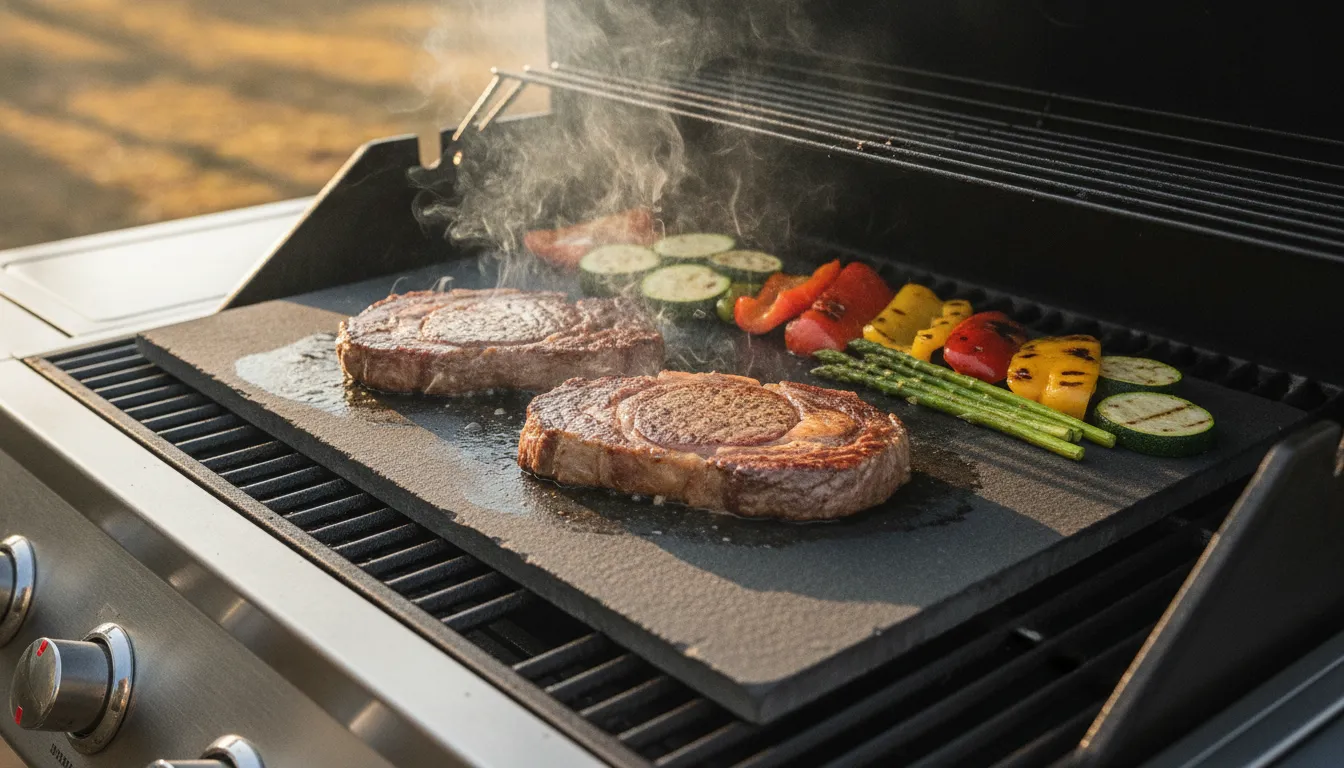
The same principle applies to soapstone grilling stones. Since these surfaces come into direct contact with your food at high temperatures, using a food-grade wax is essential. A proper soapstone wax is perfectly safe for your Greystone, helping to season it and maintain its non-stick quality without introducing anything you wouldn’t want in your meal. Because soapstone is naturally non-porous, the wax sits on the surface to protect and beautify it, rather than seeping deep into the stone. Just be sure to select a wax that is explicitly labeled as a food-safe wax to ensure you’re getting a product that’s as safe as it is effective.
Where to Buy Soapstone Wax (and What to Expect to Pay)
Once you’ve decided to use soapstone wax, the next step is finding the right product for your home. You have a few great options for purchasing, each with its own benefits. The price can vary depending on the brand, size, and ingredients, but you can generally expect to pay between $25 and $40 for a standard container that will last you quite a while. It’s a small investment that goes a long way in protecting and beautifying your soapstone.
Whether you prefer the convenience of online shopping or the experience of buying in-store, here’s a breakdown of where you can find quality soapstone wax and what to look for to get the best value for your money.
Online Retailers
Shopping online offers the widest selection and the convenience of home delivery. You can find soapstone wax on major retail sites or from specialty e-commerce stores. For example, you can find an 8oz container of soapstone wax for around $27 USD. One thing to keep in mind when shopping online is stock availability. Popular products can sometimes be backordered, so it’s a good idea to plan your purchase ahead of time. Reading customer reviews on these sites can also give you real-world insight into how a specific wax performs on different soapstone surfaces.
Specialty Home Stores
If you prefer to shop in person, specialty home and hardware stores are a great place to look. Since soapstone has gained popularity for its timeless look in both modern and historic homes, more stores are starting to carry maintenance products for it. Visiting a local store allows you to see the product before you buy it and ask knowledgeable staff for recommendations. This can be especially helpful if you’re new to soapstone care and want some expert guidance. You might find wax in the countertop care aisle or near other natural stone maintenance products.
Direct from the Brand
Buying directly from the manufacturer is an excellent way to ensure you’re getting a high-quality, authentic product. Many brands that specialize in natural finishes sell their products through their own websites. For instance, some companies offer a soapstone sealer that is 100% vegan and formulated without any harsh chemicals or VOCs (Volatile Organic Compounds). This is a fantastic option if having a completely natural, environmentally friendly product is a priority for you. Plus, buying direct often gives you access to detailed product information and customer support from the people who made it.
Finding the Best Value
When it comes to soapstone wax, the best value isn’t always the lowest price. True value lies in the product's performance and durability. Unlike mineral oil which needs frequent reapplication, a high-quality wax will harden and create a protective layer that lasts much longer. This durable finish won’t feel sticky or transfer onto your hands, cloths, or food. A long-lasting wax means you’ll use less product over time, saving you money in the long run. This is especially important for high-use surfaces like kitchen countertops or even a soapstone grilling stone.
How to Apply Soapstone Wax
Bringing out the deep, rich color of your soapstone is a simple and satisfying process. Applying wax not only enhances its natural patina but also adds a layer of protection that keeps it looking its best. You don’t need any special skills, just a bit of time and the right technique. Following these straightforward steps will help you achieve a beautiful, long-lasting finish on your countertops, sinks, and even your grilling stones. Let’s walk through the process together.
Step 1: Clean and Dry Your Soapstone
Before you open your wax, the first and most important step is to prepare your surface. You need to start with a completely clean and dry countertop. Any dust, crumbs, or residue will get trapped under the wax, so give it a good wipe-down with a soft cloth using a gentle, pH-neutral cleaner or just mild soap and water. Once it’s clean, make sure it is thoroughly dry. Water and oil don’t mix, and any lingering moisture can prevent the wax from absorbing evenly into the stone. Taking a few extra minutes on this prep work ensures a flawless finish.
Step 2: Apply a Thin, Even Layer
Now for the fun part. Scoop a small amount of wax onto a clean, lint-free cloth. A little goes a long way, so it’s better to start with less and add more if needed. Apply the wax to the soapstone in a thin, even layer using gentle, circular motions. Think about how you would apply lotion. Work in manageable sections to ensure you get full, consistent coverage across the entire surface. This simple application is what gives our custom projects their signature velvety finish and deep, uniform color. Don’t worry about perfection at this stage; just focus on spreading the wax evenly.
Step 3: Let It Absorb, Then Buff to a Sheen
Patience is key for this step. After you’ve applied the wax, let it sit and absorb into the stone for about 15 to 30 minutes. This allows the oils and waxes to penetrate the surface, which is what creates that rich, darkened effect. Once the time is up, take a new, clean, dry cloth and begin to buff the surface. Use broad, circular strokes to wipe away any excess wax. You’ll quickly see a beautiful, soft sheen emerge. The goal isn’t a glossy shine but a deep, warm lustre that feels smooth to the touch.
How Often Should You Reapply?
There is no rigid schedule for reapplying soapstone wax. The frequency really depends on your personal preference and how heavily the surface is used. A good rule of thumb is to reapply the wax whenever the stone starts to look a bit dry or its color begins to lighten. You might also notice that water no longer beads up on the surface. High-traffic areas, like the space around your sink, may need a touch-up more often than other parts of the counter. The same principle applies to a soapstone Greystone, which may need re-waxing after a few uses to maintain its non-stick properties and seasoned finish.
Related Articles
Do I really have to wax my soapstone? Not at all. Waxing soapstone is a completely optional step that’s all about aesthetics. Your soapstone is naturally non-porous and durable, so it doesn’t need a sealant for protection. The only reason to wax is if you want to speed up the natural darkening process, called a patina. It gives you that deep, uniform charcoal color right away instead of waiting for it to develop unevenly over time.
How often should I re-wax my countertops? There isn’t a strict schedule for re-waxing; it really comes down to how your countertops look and feel to you. A good sign it’s time for a fresh coat is when the surface starts to look a little dry or the color begins to lighten. You might also notice that water no longer beads up. High-use areas, like the space around your sink, will likely need a touch-up more often than less-used parts of the counter.
Will the wax make my countertops feel sticky or greasy? A quality soapstone wax, when applied correctly, should leave your countertops with a smooth, silky finish, not a sticky or greasy one. Unlike plain mineral oil, wax blends are formulated to cure and harden on the surface. The key is to apply a very thin layer and then be sure to buff off all the excess with a clean cloth. This final buffing step is what creates that beautiful, non-greasy satin lustre.
What's the best way to fix a scratch on a waxed surface? One of the best things about soapstone is how forgiving it is. If you get a minor scuff or scratch, you can often make it disappear by simply rubbing a small amount of wax over the area. For a slightly deeper scratch, you can use a piece of fine-grit sandpaper to gently sand the mark away, wipe the dust clean, and then reapply wax to the spot. The repair will blend seamlessly into the rest of the countertop’s patina.
Can I switch from using mineral oil to soapstone wax? Yes, you can easily make the switch. To start, you’ll want to remove as much of the old mineral oil as possible. Give your countertops a thorough cleaning with a gentle dish soap that has good degreasing properties. Once the surface is completely clean and dry, you are ready to apply your new soapstone wax just as you would on an untreated counter.


Comments