
Are Soapstone Countertops Expensive? A Price Guide
There’s a lot of chatter out there about different countertop materials, and it can be hard to separate fact from fiction. Soapstone, in particular, is surrounded by a few persistent myths. You might have heard that it’s too soft for a busy kitchen or that it requires costly, complicated upkeep. But the most common concern we hear from homeowners is about the price. People often wonder, "are soapstone countertops expensive?" and assume they're out of reach. We're here to set the record straight, breaking down the real costs and showing you why this beautiful, natural stone is often more accessible and practical than you think.
Key Takeaways
- Budget beyond the price per square foot
: Soapstone typically costs $70 to $120 per square foot installed, but your final price tag will also include services like removing old countertops and fabricating custom details for sinks or complex layouts.
- Soapstone is durable and easy to care for
: Because the stone is naturally non-porous and heat-proof, you can skip the chemical sealants and set hot pans directly on the surface. It is a forgiving material where minor scratches can be easily sanded or oiled away.
- Your design choices will shape the final cost
: The specific slab you fall in love with has a big impact on price, as stones with rare colors or dramatic veining are more valuable. Opting for a thicker slab or a complex layout with multiple cutouts will also increase fabrication costs.
How Much Do Soapstone Countertops Cost?
Let's talk numbers. When you're planning a kitchen renovation, the budget is always a top concern. You want a beautiful, high-quality material, but you also need to know what to expect financially. Soapstone is a premium material, and its price reflects its durability and unique beauty. While it might be a bigger initial investment than some other options, it’s important to understand what goes into the price tag. The cost isn't just for the stone itself; it includes the sourcing of high-quality slabs, the custom fabrication to fit your space perfectly, and the professional installation that ensures it will last a lifetime. Thinking about the total cost helps you see the full picture and appreciate the value you're getting in your custom home project.
Soapstone vs. Granite and Quartz Pricing
So, what's the bottom line per square foot? Generally, you can expect soapstone countertops to cost between $70 and $120 per square foot, a price that typically includes installation. To give you some perspective, this can be about 20% more than a standard black granite, placing it firmly in the premium category alongside high-end quartz and marble. This price reflects its natural density, heat resistance, and the beautiful, evolving patina it develops over time. When you choose soapstone, you're not just buying a countertop; you're investing in a piece of natural art for your home.
Estimating Your Total Kitchen Cost
To figure out your total budget, you'll need to look beyond the per-square-foot price. For a typical kitchen, the total cost for soapstone countertops, including materials, fabrication, and installation, can range from about $2,800 to $4,800. Many homeowners find their final project cost lands somewhere in that window. Of course, this depends on the size and complexity of your layout. A simple, straight run of counters will cost less than a kitchen with a large island, multiple cutouts for sinks and cooktops, and complex edge details. Getting a precise quote based on your specific kitchen is the best way to create an accurate budget.
What Factors Influence Soapstone's Price?
When you start budgeting for new countertops, you'll find that the final price tag for soapstone is shaped by a few key variables. It’s not just about the square footage; the specific stone you choose, the complexity of your kitchen’s design, and even the prep work involved all play a role. Understanding these factors will help you create a realistic budget for your custom soapstone project and ensure there are no surprises along the way. Let's break down what goes into the cost.
Stone Quality and Thickness
Soapstone countertops generally cost between $70 and $120 per square foot, a price that typically includes both the stone itself and the professional installation. One of the first choices you’ll make is the thickness of the slab. While a standard thickness is perfectly durable and beautiful, opting for a thicker slab can create a more substantial, commanding presence in your kitchen. Keep in mind that thicker soapstone costs more, not just because you're buying more material, but also because the heavier slab requires more labor to handle and install correctly.
Slab Rarity and Veining
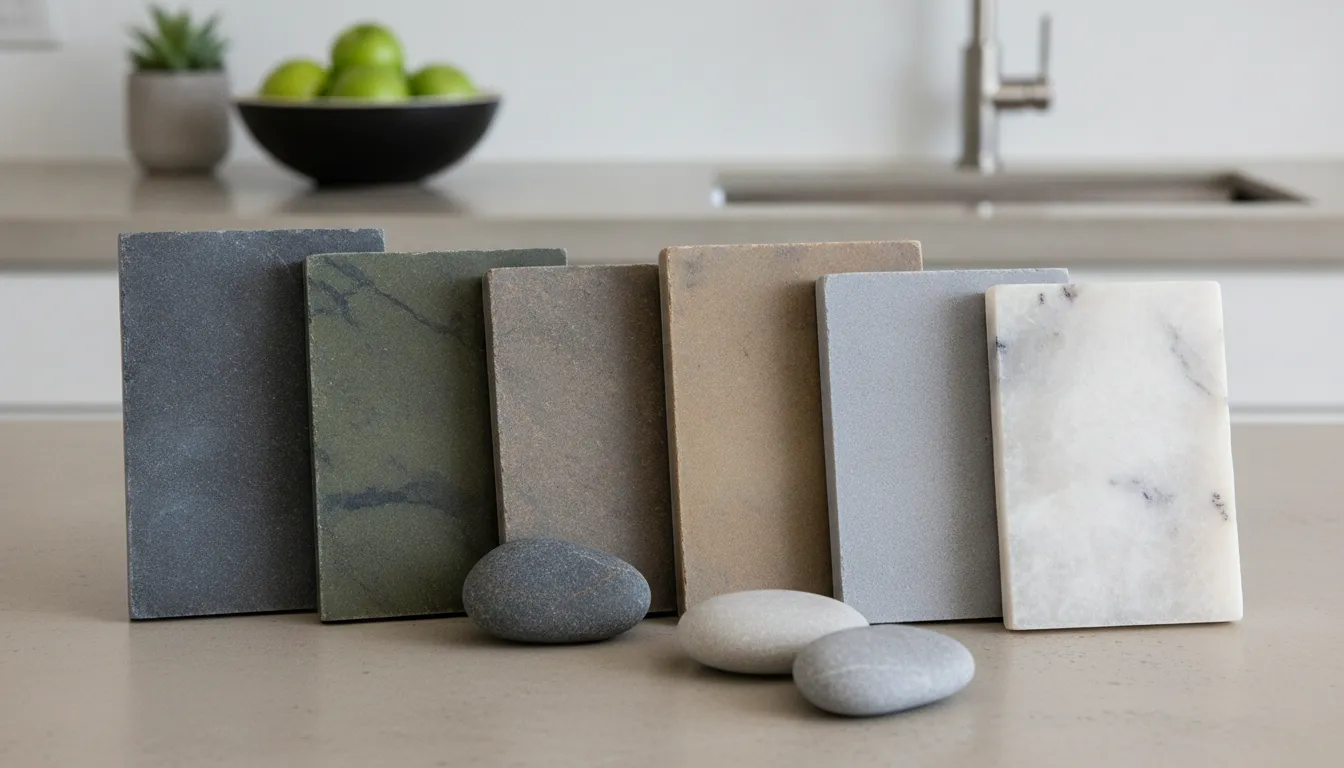
Because soapstone is a natural stone, no two slabs are exactly alike. This uniqueness is a huge part of its charm. The cost can vary significantly based on the slab's appearance. Classic, soft gray soapstone tends to be more widely available and sits at the lower end of the price range. However, if you fall in love with a slab that has dramatic, crisp white veining or a rare color variation with green or blue undertones, you can expect to pay more. According to one honest cost guide, these distinctive features make a slab more sought-after and therefore more valuable.
Your Kitchen's Size and Layout
It makes sense that the bigger your kitchen, the more your countertops will cost. More surface area simply requires more stone. For a typical kitchen, the total cost can range from $2,100 to $7,200, but the final number depends heavily on your specific layout. A simple, rectangular kitchen island will be less expensive to fabricate than a large, U-shaped kitchen that requires multiple seams and intricate cuts. Features like sink cutouts, faucet holes, and custom edge profiles also add to the labor costs, as they require precise work from your fabricator.
Removing Your Old Countertops
Before your beautiful new soapstone can be installed, your old countertops have to go. This is a crucial step that is often overlooked in initial budget planning. You should plan to set aside between $50 and $350 for the removal and disposal of your existing countertops. While some installers may include this service in their overall quote, it’s often listed as a separate line item. Be sure to clarify this with your contractor so you can account for it in your total project cost. It’s a small but necessary expense to prepare your kitchen for its stunning upgrade.
Are There Other Costs to Consider?
When you're planning your budget, it’s easy to focus only on the price of the soapstone slab itself. But to get a complete picture of your total investment, there are a few other key expenses and considerations to keep in mind. The final price tag includes more than just the stone; it also covers the skilled labor to get it into your home and the simple upkeep that keeps it looking its best for years to come.
Thinking about these factors ahead of time helps prevent surprises down the road. From the cost of professional installation to the minor tasks of oiling and managing the occasional scratch, understanding the full scope of your project is the best way to ensure a smooth and satisfying renovation. Let’s walk through what else you should account for as you plan for your beautiful new countertops.
Professional Installation
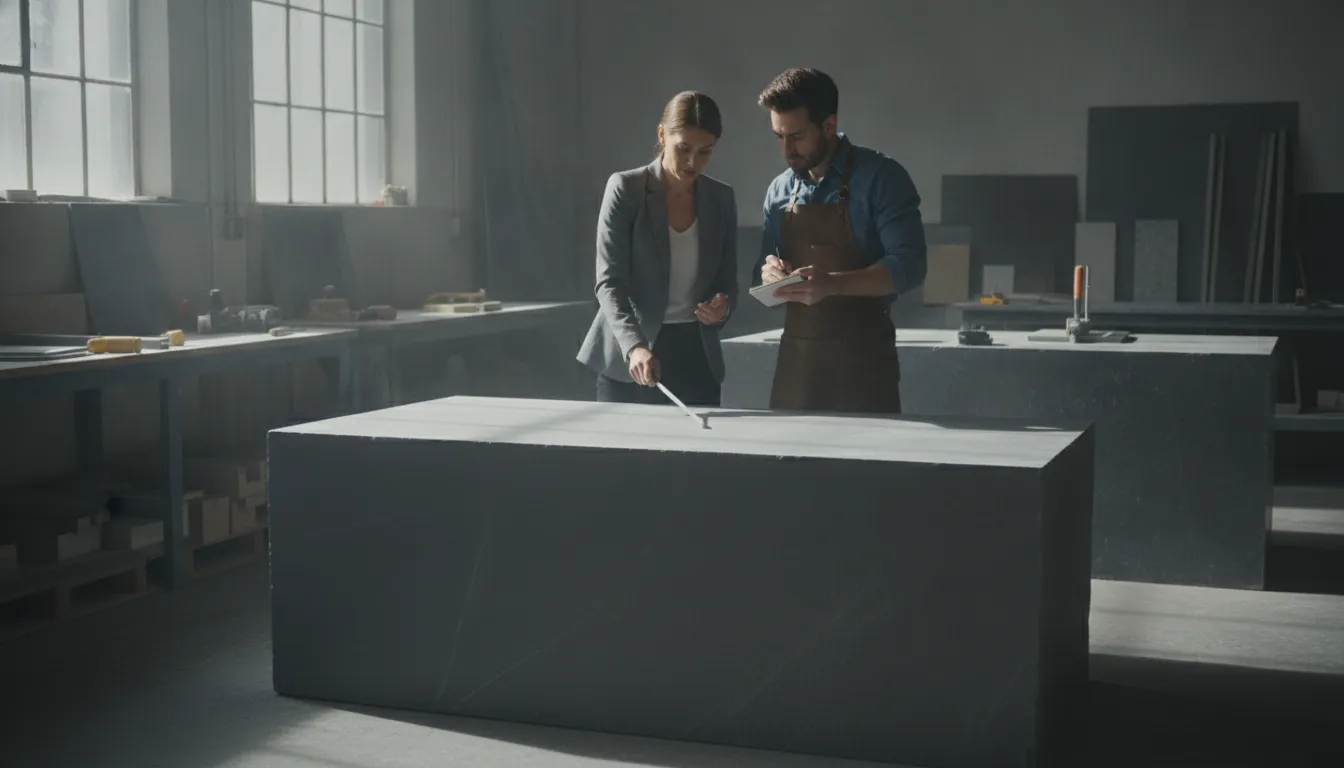
Getting your soapstone countertops installed correctly is not a DIY job. This stone is heavy and requires precise cutting to fit your kitchen’s unique layout, including sink and cooktop cutouts. Professional installation ensures your countertops are perfectly level, seams are nearly invisible, and your investment is protected. Labor costs for these custom soapstone projects typically add between $10 and $40 per square foot to your total. Think of this not as an extra fee, but as a crucial part of the process that guarantees a flawless finish. A skilled team has the right tools and experience to handle the material, giving you peace of mind and a result that lasts a lifetime.
Oiling and Upkeep
One of the best things about soapstone is that it’s naturally non-porous, so you never have to seal it with harsh chemicals. However, many homeowners choose to oil their countertops with food-grade mineral oil. This isn’t for protection but for aesthetics. Oiling deepens the stone’s color, bringing out its rich, dark character and beautiful veining. It also helps the surface darken evenly as it develops its natural patina over time. This simple task only needs to be done every few months (or whenever you feel the stone needs a refresh) and is a quick, easy way to keep your countertops looking their absolute best.
Managing Scratches
Soapstone is a softer stone because it contains talc, which means it can and will get scratches. But before that makes you nervous, here’s the good news: those marks are usually very easy to fix. Unlike a chip in granite or quartz that requires a professional, minor scratches on soapstone can often be buffed out with a bit of mineral oil or lightly sanded away by hand. Many owners come to appreciate this quality, as it makes the countertop a living surface that tells the story of their home. It’s a forgiving material that you can easily maintain yourself, keeping it beautiful through all your kitchen adventures.
Is Soapstone a Worthwhile Investment?
When you’re planning a kitchen renovation, the cost is always a major factor. But thinking about your countertops as an investment means looking beyond the initial price tag. It’s about choosing a material that will stand the test of time, function beautifully in your daily life, and add lasting value to your home. Soapstone isn't just a surface; it's a feature that brings a unique combination of durability, timeless style, and practicality to your space.
Unlike trendy materials that can quickly look dated, soapstone has a classic appeal that endures. Its performance in a busy kitchen is just as impressive as its looks. From its incredible heat resistance to its non-porous surface, soapstone is engineered by nature to handle real life. When you weigh these long-term benefits against the cost, you start to see why so many homeowners consider it a smart and satisfying investment for their custom home projects. It’s a choice that pays you back with beauty and reliability for decades.
Its Lasting Durability and Heat Resistance
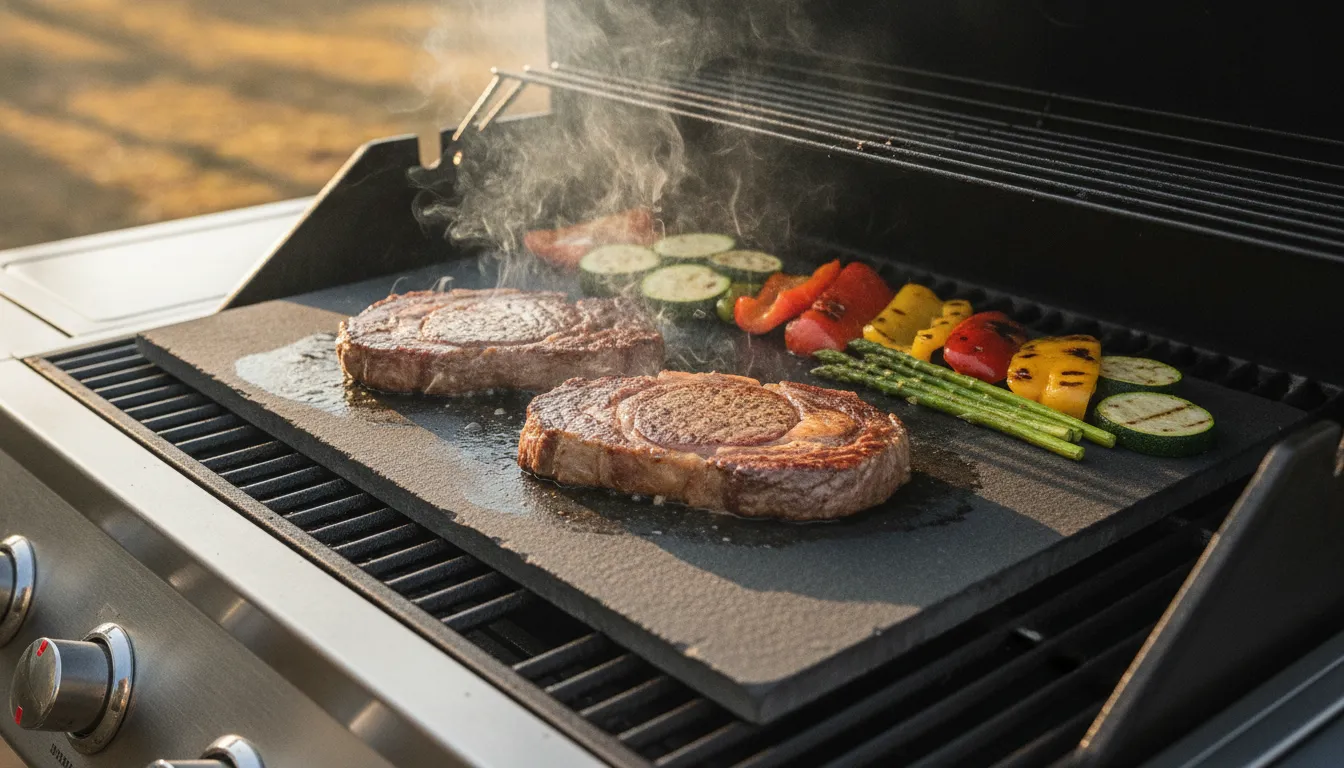
One of soapstone's most celebrated qualities is its remarkable durability. This dense, tough stone is built to withstand the daily chaos of a busy kitchen. It’s highly resistant to chipping and cracking, so you don’t have to worry about everyday wear and tear. Even better, soapstone is naturally heat-proof. You can take a hot pan straight from the stove and place it directly on the counter without a second thought. There’s no risk of scorching or leaving a burn mark. This incredible heat tolerance is why soapstone is also used to make our Greystone grilling stones, which can handle extreme temperatures on the barbecue or in the oven.
The Benefit of a Non-Porous Surface
If you’ve ever battled a red wine spill on a light-colored countertop, you’ll appreciate this feature: soapstone is completely non-porous. This means liquids can’t penetrate the surface, so it won’t stain. Spills from coffee, oil, or acidic foods like lemon juice simply wipe away without a trace. Because it doesn’t absorb anything, soapstone is also naturally hygienic and antibacterial. Unlike granite or marble, which require regular sealing to protect them from stains and bacteria, soapstone never needs to be sealed. This makes it a wonderfully low-maintenance choice that stays clean and beautiful with minimal effort.
Developing a Unique Patina Over Time
Soapstone is a living material that evolves with your home. Over time, it will naturally darken and develop a beautiful patina, a soft luster that reflects the life lived around it. This aging process is what gives soapstone its signature character and warmth. While some people prefer a surface that looks the same on day one as it does ten years later, others fall in love with soapstone’s unique ability to tell a story. Each mark and subtle change in tone contributes to a rich, authentic look that can’t be replicated. This evolving beauty ensures your countertops will always feel personal and timeless.
Adding Long-Term Value to Your Home
Choosing soapstone is a decision that adds significant long-term value to your property. In the housing market, high-quality, natural materials are a major draw for potential buyers. Soapstone signals a commitment to quality and timeless design that makes a home stand out. Homebuyers are increasingly looking for spaces built with durable and sustainably sourced materials, and soapstone checks both boxes. By investing in soapstone countertops, you’re not just improving your kitchen for yourself; you’re adding a desirable feature that will appeal to future owners and contribute to your home’s overall worth.
Common Myths About Soapstone Costs
When you're planning a kitchen renovation, you hear a lot of opinions about different materials. Soapstone is a beautiful, classic choice, but it often comes with a few persistent myths, especially around its cost and durability. It’s easy to get swayed by misinformation, which can prevent you from choosing the perfect material for your home. Let's clear the air and look at the facts behind these common concerns. Understanding the truth about soapstone can help you feel confident when planning your custom project. By separating fiction from reality, you can make a decision based on accurate information, not just hearsay. We'll walk through the three biggest myths so you can see if soapstone is the right fit for your budget and lifestyle.
Soapstone is too expensive.
This is probably the most common misconception we hear. While soapstone is a premium natural stone, its price is often more accessible than you might think. On average, soapstone countertops cost between $70 and $120 per square foot, including materials and installation. For a standard kitchen, this puts the total project price somewhere between $2,100 and $7,200. This pricing is quite competitive when compared to other natural stone options like high-end granite or quartz. So, while it’s an investment in quality, it’s not always the budget-breaker people assume it is. It’s worth getting a personalized quote to see how it fits into your specific project plans.
"Soapstone requires costly maintenance."
Here’s some good news: this myth is completely false. Soapstone is one of the most low-maintenance countertop materials available. Because it's a non-porous stone, it doesn't need to be sealed, ever. This means you won't have the recurring cost or hassle of resealing it every year like you would with granite or marble. Soapstone is also naturally antibacterial and highly resistant to heat and stains. While some owners apply mineral oil to darken the stone and enhance its patina, this is a simple, inexpensive aesthetic choice, not a requirement for its upkeep. Its durability and simple cleaning needs make it a practical and low-maintenance option for any busy home.
"Soapstone is too soft for a kitchen."
The idea that soapstone is too delicate for a kitchen environment is another myth that needs busting. While it is technically softer than granite, it is incredibly dense and durable. Think of it like a high-quality butcher block; it’s meant to be used and loved. Its composition makes it harder and more durable than many people realize, so it won't crack from heat or impact. It can be susceptible to scratches, but many homeowners see this as part of its charm, contributing to a unique, evolving patina. Plus, minor scratches can be easily buffed out with a bit of sandpaper and mineral oil, a simple fix you can’t perform on most other stone surfaces.
How to Budget for Your Soapstone Countertops
Planning your budget is the most practical step toward getting the kitchen of your dreams. When it comes to soapstone, a little preparation goes a long way in making sure there are no surprises. By breaking down the costs and knowing what to expect, you can approach your project with confidence. Here’s a straightforward guide to help you map out your budget for new soapstone countertops.
Measure Your Space Accurately
The first step in creating a realistic budget is to understand the size of your project. Grab a tape measure and calculate the square footage of your current countertops. On average, you can expect soapstone to cost between $70 and $120 per square foot, installed. Most homeowners find their final price lands somewhere between $80 and $100 per square foot. Knowing your measurements gives you a solid baseline number to work with. This simple calculation will help you create a preliminary budget and have a more informed conversation when you start reaching out to professionals for quotes.
Get Quotes from Local Experts
While national averages are a helpful starting point, your final cost will depend on local pricing. The best way to get an accurate number is to connect with a soapstone specialist in your area. A professional can provide a detailed quote based on your exact layout, stone choice, and project complexity. When you request an estimate for your custom soapstone project, you’ll get a clear picture of the total investment, ensuring the price reflects the quality and craftsmanship you’re looking for. This step removes the guesswork and helps you compare options effectively.
Account for All Associated Costs
Your stone slab is the main event, but it’s not the only line item on the invoice. Make sure your budget accounts for all the other services involved in a countertop replacement. This includes labor for installation, which can range from $10 to $40 per square foot. You should also factor in the removal and disposal of your old countertops, a service that can cost between $50 and $350. Asking your supplier for a quote that includes these details ensures you have a complete understanding of the total cost from start to finish, with no unexpected fees.
Choose a Trusted Soapstone Supplier
Finally, the supplier you choose matters just as much as the stone itself. Working with a team that specializes in soapstone ensures you get expert advice, precise fabrication, and a flawless installation. A knowledgeable supplier will guide you to the right slab for your home and lifestyle, leading to a finished product you’ll love for years. Homeowners who work with dedicated soapstone professionals report very high satisfaction and are often eager to recommend their contractor to friends and family. It’s an investment in both a beautiful material and a stress-free experience.
Related Articles
Frequently Asked Questions
Why is soapstone sometimes more expensive than other stones like granite or quartz? The price of soapstone reflects its unique combination of natural beauty and high performance. Because it's completely non-porous, it's naturally stain-proof and antibacterial without ever needing chemical sealants. It’s also heat-proof, so you can set hot pans directly on it. The cost includes sourcing high-quality, dense slabs and the expert craftsmanship required to cut and install this premium material, making it a long-term investment in durability and timeless style.
What costs should I budget for besides the stone itself? To create a complete budget, you should plan for a few key services beyond the material. The most important is professional installation, as soapstone is heavy and requires precise handling. You should also account for the cost of removing and disposing of your old countertops. Finally, if your design includes features like multiple sink cutouts, complex edge details, or a large island, these will add to the fabrication labor, so it's wise to have those details ready when you ask for a quote.
I've heard soapstone is soft. Will it get ruined in a busy kitchen? While soapstone is softer than granite, it is incredibly dense and durable, so it won't crack or chip easily. It can get surface scratches, but this is one of its most forgiving qualities. Unlike a chip in quartz that requires a professional repair, minor scratches on soapstone can be easily buffed out with a bit of mineral oil or a light sanding. Many people come to love this aspect, as it allows the countertop to develop a unique character that tells the story of your home.
Do I really have to oil my soapstone countertops? No, you don't have to oil your soapstone. Oiling is a purely aesthetic choice, not a requirement for maintenance or protection. The stone is naturally non-porous and won't stain whether you oil it or not. Homeowners choose to apply mineral oil to deepen the stone's color to a rich, dark charcoal and help it develop its patina more evenly over time. If you prefer the stone's natural, lighter gray state, you can simply leave it alone.
How can I get an accurate price for my specific kitchen project? While online averages are a good starting point, the best way to get a precise number is to contact a soapstone specialist. Start by measuring your countertops to get a rough idea of the square footage you'll need. Then, a professional can provide a detailed quote based on your kitchen's specific layout, the slab you choose, and any custom details. This removes all the guesswork and gives you a reliable figure to work with for your budget.

Comments